 Dr. Steven Schram
Techniques
Dr. Schram uses many different techniques during treatments. Below are descriptions of some of them.
Chiropractic
Literally the backbone of the practice. He uses classic manual adjustments (the familiar pop) as well as softer approaches with gentle adjusting instruments. Extremity adjustments for knees, shoulders, wrists, and ankles are also part of the practice. Chiropractic is ideal for back pain or restrictions in ranges of motion. As always, the adjustment is matched to your problem, your age and your body.
Acupuncture
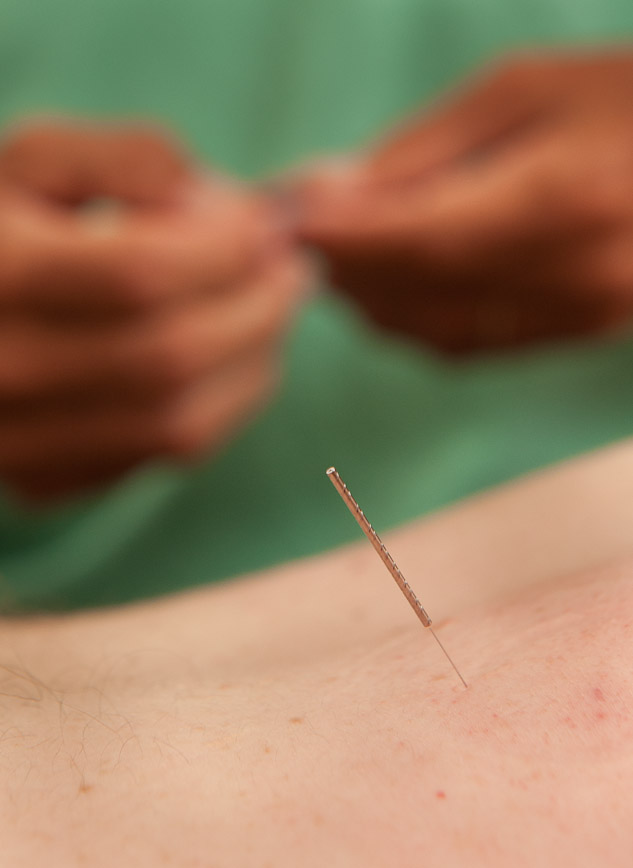
Acupuncture is a full medical system of its own, useful for pain, for joints and extremities, and for problems outside the spine. He frequently treats digestion, sleep, mood and stress, menstrual and fertility concerns, headaches, and coughs and colds. He also uses the acupuncture needle for trigger points. This is sometimes referred to as dry needling.
Cupping and gua sha are part of that same Chinese-medicine toolkit. He uses them when they fit the problem.
Some patients come specifically for acupuncture. Others find it becomes an important part of care alongside chiropractic. Many patients use both, because they work well together.
Cranial-sacral work
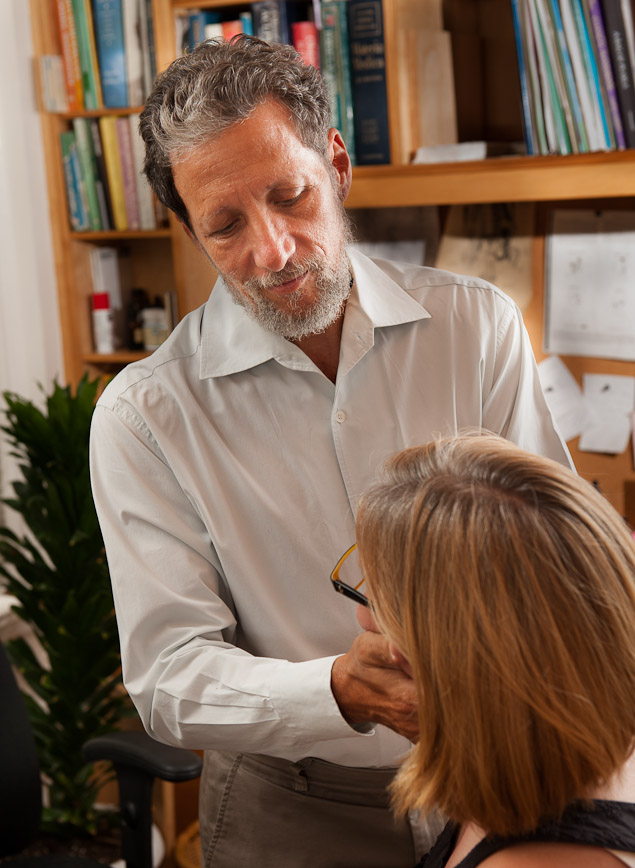
Cranial-sacral work has been part of the practice since 1989. It is a gentle approach, more listening than action. And when something needs to be done, it is subtle. Chiropractic treatments often begin with a short evaluation at the base of the skull. Dr. Schram finds it a useful adjunct for all head, neck and jaw complaints.
Body Work
Hands-on work is quite varied. Massage techniques include cross fiber, Tui Na, deep pressure, and more. Sometimes there is lengthening and stretching; other times, techniques similar to Active Release. Tendons and ligaments are also addressed. And sometimes this is paired with acupuncture for an even deeper effect.